
Digital payments are a central part of Sri Lanka’s plans for a more connected economy, Deputy Minister of Digital Economy Eranga Weeraratne said at Digital Summit Asia, according to News1st’s report on 1 October.
The summit, organised by the Digital Marketing Association of Sri Lanka, was scheduled for 1 and 2 October at Waters Edge.
Payments within a wider programme
The Deputy Minister outlined five areas of focus: government services, the digital industry, a cashless economy, digital skills and the transformation of traditional industries.
He also highlighted the role of consumer and merchant behaviour in encouraging digital and QR payment use. The announcement is a statement of policy direction, rather than a requirement that every shop stop accepting cash.
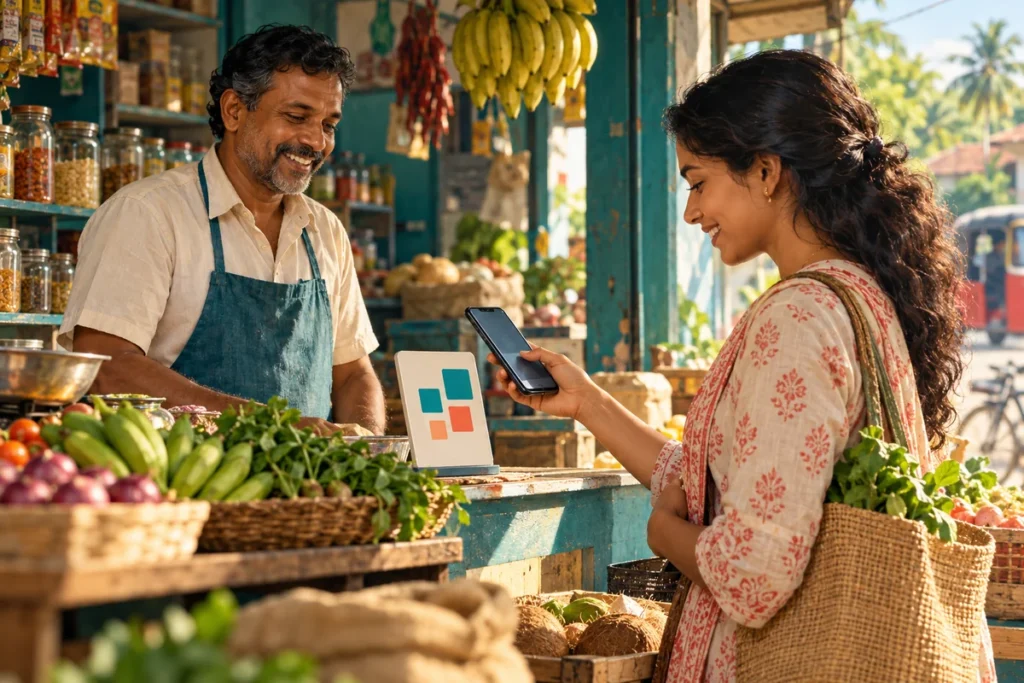
Adoption happens at the counter
For a small business, a payment method needs to fit the pace of the working day. Customers need a clear way to complete a transaction, while staff need to understand what confirms that it has succeeded.
These everyday details deserve attention alongside national targets. A sign displaying a payment option is only one part of making that option useful.
What progress should look like
Sandeshaya’s view is that progress should be assessed through reliable use, clear support and accessibility for different customers. Businesses also need understandable information about the services they choose.
The summit discussion places payments firmly on the digital economy agenda. Future announcements will need to explain specific programmes, participating services and implementation dates so that merchants can judge what is relevant to them.