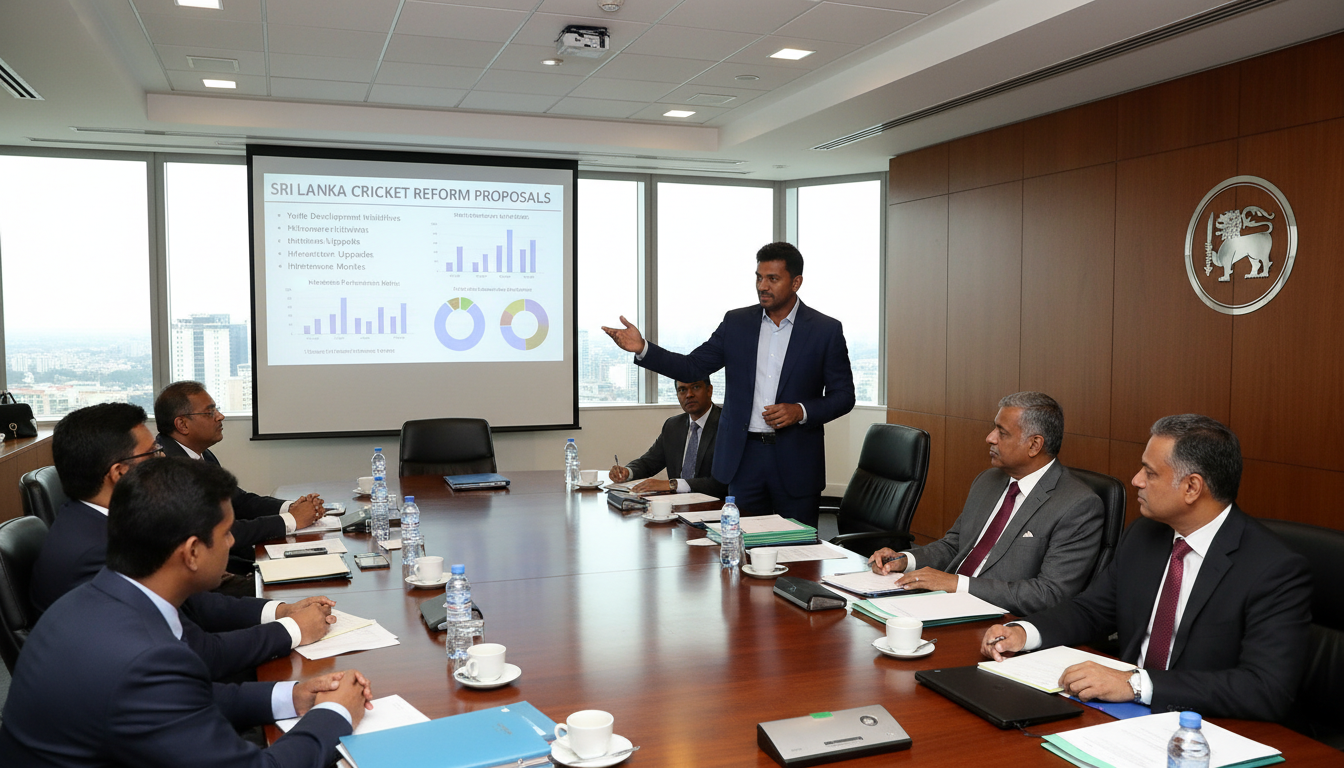
A major shift has occurred in the administration of the island nation’s most popular sport. A new nine-member transformation committee has been formed to run the sport’s governing body.
This move comes directly after the previous board leadership resigned from their posts. The committee includes former international stars of high stature, signaling a new direction.
Involving such respected figures aims to bring credibility to an administrative overhaul. The core mission is to implement transformative changes focused on better governance and transparency.
A third former player, Sidath Wettimuny, is also part of this group. This story explores the committee’s formation and its planned reforms for the national sport.
The Formation of Sri Lanka Cricket’s Interim Committee
The path for a new governing body was cleared when the prior officeholders submitted their resignations. This pivotal event triggered the swift establishment of a temporary administrative panel.
Resignation of Previous Leadership and Presidential Meeting
Local media reports confirmed the resignations came after a direct meeting with the country’s president, Anura Kumara Dissanayake. The discussion signaled high-level political involvement in the sport’s direction.
The departure of the old leadership created an immediate vacancy. This required a prompt response to ensure the sport’s operations continued without disruption.
Establishment of the Nine-Member Transformation Committee
Just one day later, a new panel was officially formed. Former state minister and businessman Eran Wickramaratne was named its chairman.
This group is formally called a nine-member transformation committee. It is also widely referred to as an interim committee.
The term “interim” denotes its temporary nature. However, it holds full authoritative power to run the sport’s governing body during this period.
Its core mandate, as outlined in official statements, includes:
- Taking over the daily administration of the sport.
- Initiating a comprehensive review of governance practices.
- Steering the organization toward a more transparent future.
The committee’s creation marks a definitive step in the effort to run Sri Lanka‘s premier sport under a new framework.
Kumar Sangakkara and Roshan Mahanama: Cricket Legends Turned Reformers
A strategic blend of on-field genius and off-field experience defines the core of the transformation group. The inclusion of these celebrated former players provides immediate credibility to the reform process.
Their deep understanding of the game, combined with proven administrative backgrounds, is seen as vital. This expertise will guide the overhaul of the sport’s governing structures.
Kumar Sangakkara’s Dual Role in Cricket Administration
The former national captain brings a unique global perspective. His post-playing career is marked by significant leadership roles at the highest levels of the sport.
He served as the president of the prestigious Marylebone Cricket Club (MCC) for the 2019-20 term. This role is one of the most respected positions in the global cricketing community.
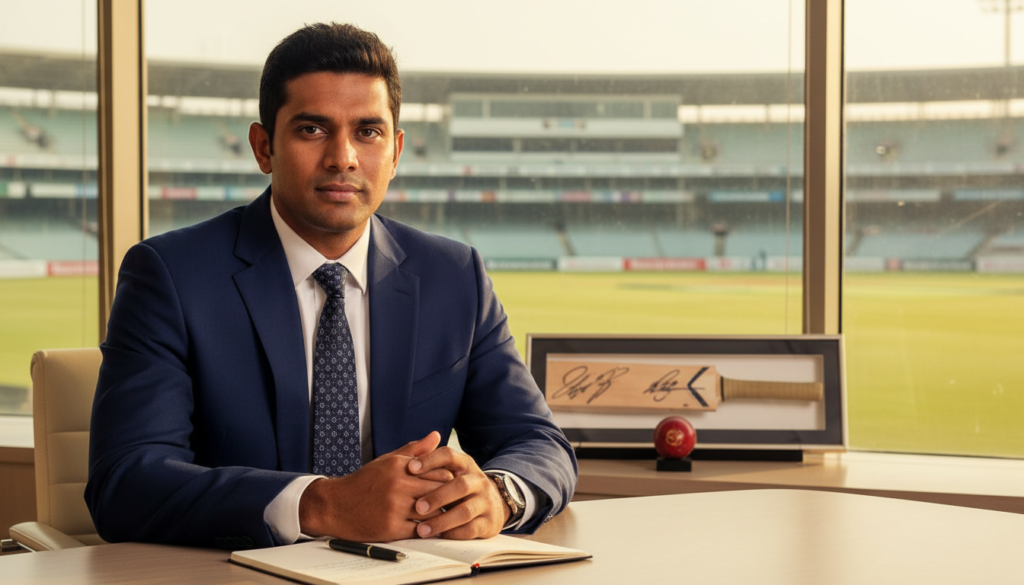
Currently, he holds the high-profile position of Director of Cricket for the Rajasthan Royals. This franchise competes in the world’s most lucrative premier league, the Indian Premier League.
This role involves managing player strategy, talent development, and overall team direction. It demonstrates his active involvement in top-tier global sports management.
Roshan Mahanama’s Journey from Player to ICC Match Referee
Since retiring from the international arena in 1999, his career path has been distinct. He transitioned into a critical role upholding the laws and spirit of the game.
He served as an International Cricket Council (ICC) match referee for more than a decade. This position required impartiality, a deep knowledge of regulations, and strong decision-making under pressure.
His long tenure gave him a front-row view of international cricket governance. This experience is invaluable for assessing and reforming domestic administrative practices.
He officiated in numerous high-stakes international matches across the globe. This background provides a practical understanding of how world-class sports bodies operate.
Chairman Eran Wickramaratne and the Committee’s Composition
Leading the nine-member panel is Eran Wickramaratne. He is a former state minister and successful businessman.
His political and commercial experience is expected to steer the committee‘s strategic and financial decisions. This balances the cricketing wisdom provided by the former players.
The group is rounded out by another former Sri Lankan international, Sidath Wettimuny. His presence completes a trio of ex-players with direct experience at the sport’s pinnacle.
The collective profile of the panel is therefore a calculated mix:
- Cricketing legacy from Sangakkara, Mahanama, and Wettimuny.
- Political and governance insight from Chairman Wickramaratne.
- Business and operational acumen from other appointed members.
This combination aims to restore public trust and operational effectiveness to the national sport’s administration. The goal is a transparent and professionally run governing body.
Blueprint for Change: Immediate Priorities and Governance Framework
From its first official statement, the transformation committee signaled a deep structural reset. The group’s initial focus is firmly fixed on rebuilding the sport’s administrative foundations.
Chairman Eran Wickramaratne clearly defined the mission. “Our immediate priority is a total overhaul of the governance framework at SLC,” Wickramaratne said in a statement.
This sets a clear and ambitious direction for the interim body’s work.
Total Overhaul of SLC’s Governance Structure
The term “governance framework” refers to the entire system of rules and processes. It dictates how decisions are made and how an organization is held accountable.
For the national sport’s body, this means every administrative layer is under review. The overhaul targets outdated policies, unclear reporting lines, and weak oversight mechanisms.
It is the essential first step to correct past inefficiencies. The goal is to install a robust and transparent system of governance.
This systemic change is the declared immediate priority. Without it, other reforms may lack a solid foundation to succeed.
Drafting and Implementing a New Constitution
The central tool for this renewal is a completely new constitution. The committee has been tasked with drafting and implementing this foundational document.
A constitution acts as the supreme rulebook for any organization. The new version for the sport’s governing body will define powers, election procedures, and financial controls.
Its primary objectives are better management and increased transparency. This aims to restore public trust and ensure long-term stability.
The process is seen as a necessary corrective action. It seeks to create a framework capable of nurturing the nation’s cricket talent effectively for generations.
This transformation is not merely about changing personnel. It is about fundamentally rewriting how the sport is led and managed.
Charting a New Course for Sri Lanka Cricket
Entrusting reform to a panel blending cricketing wisdom with executive experience signals a profound commitment to change. The long-term goal is to build a stable, professional foundation for the sport’s future in the country.
Effective administration directly supports the national team. A transparent system can improve player development and coaching structures.
This could enhance performance in major tournaments like the World Cup over the coming years. Success on the global stage remains a key ambition for the nation.
The panel’s task is substantial. Visible results will require sustained effort across many years.
This moment offers a clear opportunity for renewal. It aims to benefit everyone connected to the beloved sport, from fans to players.