The island nation’s tourism sector has posted a strong annual performance. Official figures for the past year show a significant recovery in visitor numbers.
According to the Sri Lanka Tourism Development Authority (SLTDA), the country welcomed a total of 2.3 million tourists in 2025. This represents a year-on-year increase of over 15 per cent.
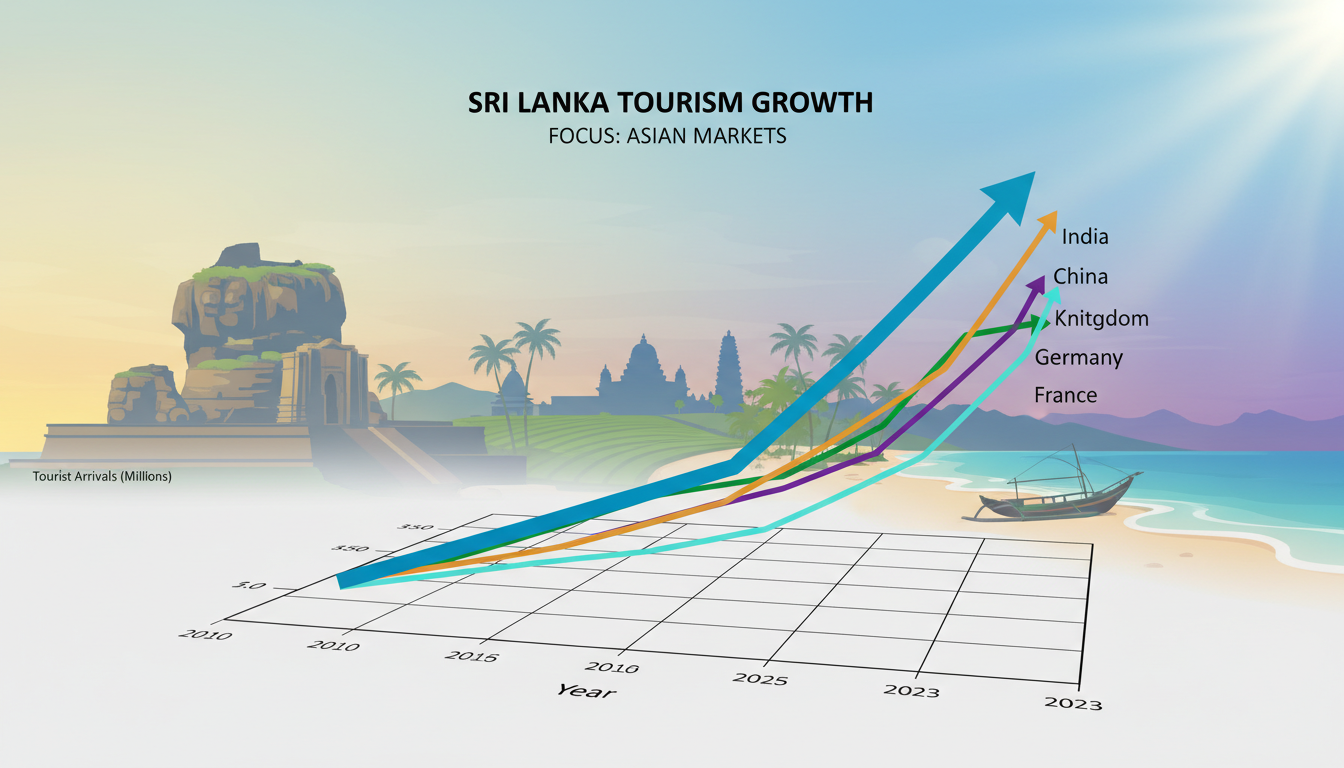
The data confirms one source market’s undisputed lead. Travelers from India accounted for the largest share of arrivals, more than double the next highest country.
Europe and the Asia Pacific region were the dominant sources of visitors. Together, they accounted for over 92 per cent of all arrivals to the destination.
This robust rebound sets the stage for a detailed look at the numbers. The report highlights key trends that signal a positive direction for the national economy. This growth follows a strong growth rebound seen in earlier periods, confirming the destination’s enduring appeal.
Sri Lanka Welcomes 2.3 Million Tourists in 2025, Led by India
Data released by the national tourism body confirms a robust recovery in international visits. The Sri Lanka Tourism Development Authority (SLTDA) reported a total of 2.3 million tourists for the year.
This figure marks a substantial year-on-year increase of over 15 per cent. It underscores a consistent upward trajectory for the sector.
The authority’s detailed figures highlight one source market’s overwhelming dominance. Travelers from India accounted for 531,511 arrivals throughout the period.
This volume is more than double the number from the United Kingdom. The UK solidified its place as the second-highest source with 21,277 visitors.
The month of December 2025 recorded the highest cumulative arrivals. A total of 258,928 guests entered the island, marking the strongest month.
Indian arrivals averaged over 23 per cent of the monthly share. December saw a peak of 56,715 arrivals from this market.
The lowest monthly figure was recorded in February, with 35,000 arrivals. This variation shows seasonal patterns within the consistent annual flow.
These official numbers from the SLTDA provide a clear quantitative foundation. They illustrate the scale of tourist inflows and the destination’s broad appeal.
The reported growth reinforces Sri Lanka’s position as a key travel destination. It sets the stage for further analysis of market composition and trends.
India Cements Its Position as the Undisputed Top Source Market
Industry analysis points to several key elements that have cemented one nation’s position as the primary origin for travelers. This dominance is not accidental but driven by a clear set of advantages.
The sustained volume from this key source market reflects deep strategic alignment. It combines logistical ease with strong cultural and geographic affinity.

The Numbers Behind the Lead
The quantitative evidence is compelling. Travelers from this market accounted for over 23 per cent of the monthly share on average.
Peak months saw this figure rise significantly. This consistent performance created a wide gap over the second-largest source country.
Data from the Sri Lanka Tourism Development Authority confirms the scale. The authority’s reports provide the official foundation for this analysis.
Factors Driving Indian Arrivals
Improved air connectivity is a major catalyst. Multiple direct flights from major cities have made the island easily accessible.
The affordability of short-haul trips is another key factor. It positions the destination as an attractive option for quick getaways.
Visa facilitation measures have streamlined entry. This removal of bureaucratic hurdles has been widely welcomed by the travel trade.
Strong leisure interest focuses on several areas:
- Beach tourism along the southern and western coasts.
- Heritage circuits in cultural heartlands.
- Religious travel to historic sites.
Demand remains consistently high for cities like Colombo, Bentota, Kandy, and Galle. Travel agents report steady bookings for these hubs.
There is growing interest in experiential offerings. Stays in tea plantations and wildlife tourism are gaining popularity.
Industry observers note the wedding and group travel segments are also strong contributors. This diversifies the appeal beyond individual leisure travel.
Together, these factors create a powerful draw. They explain the robust and sustained flow from the top market.
Broad-Based Growth from Europe and Asia Pacific
Europe and the Asia Pacific region contributed significantly to the annual total, demonstrating broad-based demand. The strength of these two areas underpinned the overall recovery.
Travelers from these continents accounted for the vast majority of all visitors. This balanced inflow from multiple markets reduced reliance on any single country.
Key Markets Beyond India
Several nations posted impressive figures throughout the year. The United Kingdom solidified its place as the second-largest source of guests.
Other European countries like Germany, France, and Russia also sent a highest number of travelers. In the Asia Pacific, markets such as China and Australia showed renewed interest.
This diversity is a healthy sign for the long-term stability of the sector. It spreads economic benefits across the hospitality and service industries.
Record Months and Seasonal Appeal
The latter part of 2025 saw exceptional performance. October set a new record for that month with 165,193 arrivals.
This represented a 22 per cent year-on-year increase. It surpassed the previous October high set back in 2018.
The average daily arrivals in October were 5,329. This indicated strong, sustained demand and operational capacity.
December recorded the highest cumulative monthly total for the year at 258,928. The traditional winter season proved to be the most popular period.
This peak is directly linked to the island’s appeal as a winter sun destination. Travelers from colder European climates seek its warm beaches and cultural sites.
Momentum continued into the new year. On January 15, 2026, a single-day record of 10,483 tourists was welcomed.
The authority‘s data confirms a clear seasonal pattern. These record months were crucial in achieving the annual tourism target.
The destination‘s ability to attract guests during the European winter remains a key advantage. It ensures a reliable stream of arrivals during a specific period each year.
Aiming for a Record Year and Sustaining Momentum
The final months of the year present both opportunity and challenge for the travel sector. The Sri Lanka Tourism Development Authority revised its annual target to a more achievable 2.6 million visitors. To hit this mark, the country requires an additional 709,313 arrivals in November and December.
Official projections outline three scenarios. These range from a lower estimate of 2.415 million to an optimistic one of 3 million. Industry predictions based on forward bookings suggest a finish slightly over 2.4 million.
Tourism earnings reached $2.47 billion in the first nine months. This reflects a 5.3 per cent year-on-year increase. Revenue is expected to surpass 2024’s $3.17 billion, though the $5 billion annual goal remains distant.
The previous record was 2.33 million tourists in 2018. Sustaining momentum requires continued marketing, connectivity improvements, and service quality. These elements are key to the sector’s long-term recovery.