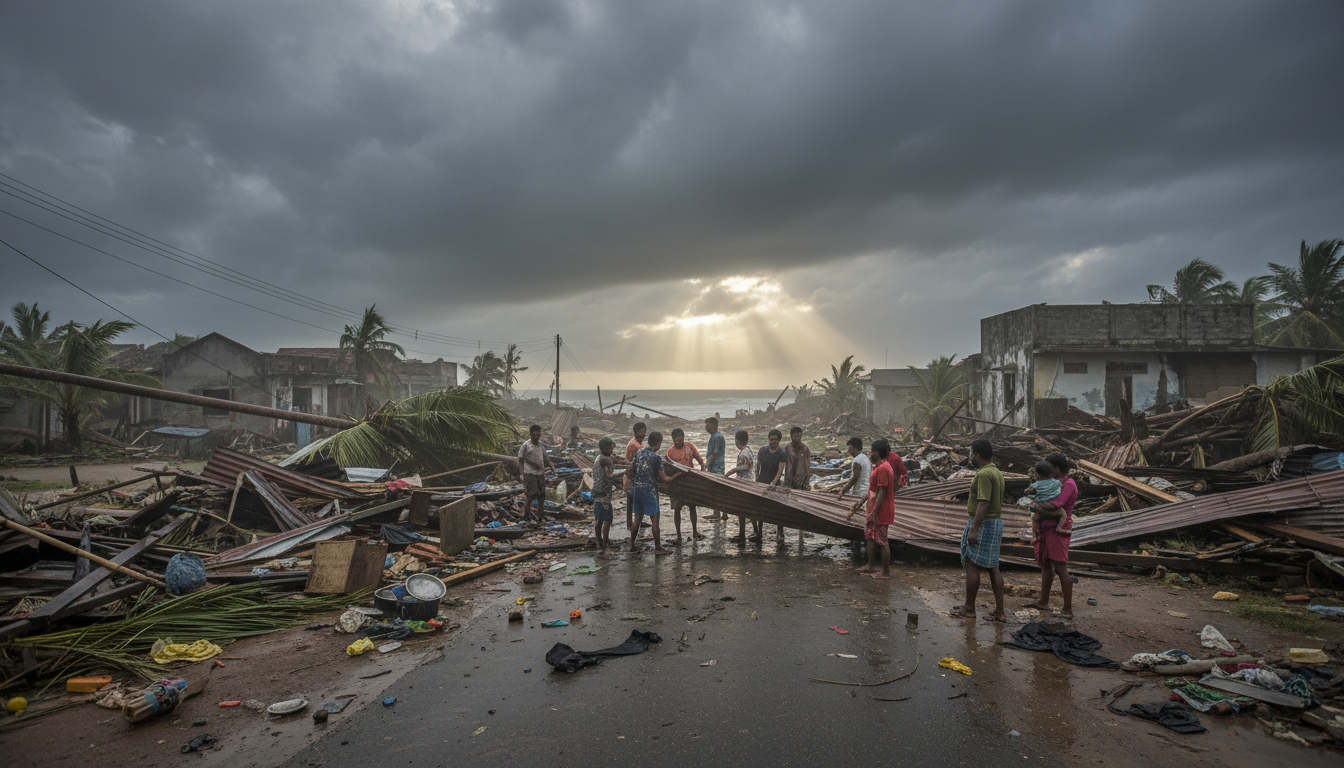
In late November, a powerful storm made landfall, unleashing a catastrophic event on the island nation. The system, known as Cyclone Ditwah, triggered severe flooding and destructive landslides across numerous regions.
United Nations reports quickly outlined the staggering scale. Close to a million people were affected, with figures indicating 998,918 individuals impacted. The human toll was severe, with hundreds of lives lost and many more missing in the immediate aftermath.
The crisis displaced a massive number of citizens. Over 180,000 individuals sought safety in government-run emergency shelters. This urgent need for refuge highlighted the widespread damage to homes and infrastructure.
This event is considered the most severe flooding disaster to hit the country in two decades. The full assessment of damage to health systems, livelihoods, and local economies would unfold in the following weeks, shaping the national response and relief efforts. The long-term economic consequences for Sri Lanka became a immediate concern for communities and planners alike.
Cyclone Ditwah Unleashes Catastrophic Flooding and Landslides
Subsequent analysis revealed a disaster of staggering geographical and human dimensions. The cyclone triggered two primary, simultaneous threats.
Coastal flooding inundated low-lying urban centers. In the central highlands, relentless rainfall saturated hillsides, causing deadly landslides.
Unprecedented Scale: Millions Affected and Hundreds Lost
Later reports, including a World Bank GRADE assessment, quantified the immense reach. Close to two million people were impacted.
This figure represented around 500,000 families across the country. The human cost was profound, with hundreds of lives lost.
Hardest-Hit Districts: From Colombo to the Central Highlands
The destruction was not evenly spread. Specific districts bore the overwhelming brunt of Cyclone Ditwah.
Gampaha and Colombo faced severe coastal floods. Meanwhile, the central highland regions of Kandy, Badulla, and Matale were ravaged by landslides.
Other severely affected areas included Puttalam, Mannar, Trincomalee, and Batticaloa. Initial assessments showed over 15,000 homes completely destroyed.
The infrastructure network was crippled. More than 200 roads became impassable, and at least ten major bridges were damaged.
Rail lines and power networks suffered extensively. This widespread damage severed critical connections for many communities.
Flooding along the Kelani River created a major humanitarian logistics crisis. It severely hampered access to affected zones, complicating all relief and rescue operations.
In northern districts like Jaffna, disruptions to electricity and mobile networks were severe. Entire villages were isolated, cutting off the flow of vital information and aid.
Emergency Shelters and the Struggle for Basic Necessities
The massive displacement created an urgent need for safe havens. Over 180,000 individuals sought refuge in government-run emergency shelters.
These safety centers, often schools or public buildings, were quickly overwhelmed. Providing for thousands of displaced families, including many children, posed immense challenges.
Access to clean water emerged as a primary concern. Contaminated sources raised immediate health risks for the displaced population.
The strain on basic services was acute. Securing adequate food and sanitation supply chains for the shelters became a daily struggle.
Many shelter facilities lacked the resources to maintain proper hygiene. This environment increased the risk of disease outbreaks among vulnerable groups.
The physical destruction directly caused this emerging humanitarian crisis. It set the stage for the deep economic and sectoral impacts that would follow.
Assessing the Billions in Damage to Infrastructure and Economy
Beyond the immediate human tragedy, the disaster inflicted a severe economic wound. A detailed assessment was essential to understand the full scope.
The World Bank’s GRADE report provided that authoritative analysis. It quantified the immense financial toll on the country.
A $4.1 Billion Blow: Direct Physical Damage and GDP Impact
The report estimated a staggering US$4.1 billion in direct physical damage. This figure represents the cost to repair or replace destroyed assets.
It is distinct from longer-term economic losses. The amount equated to roughly 4% of Sri Lanka’s GDP, a massive shock.
This scale of damage affects national economic stability. It challenges near-term growth prospects, even as the World Bank’s growth forecast for later years considers recovery.
Critical Infrastructure Crippled: Roads, Bridges, and Power Grids
Infrastructure bore the largest share of financial loss. Roads, bridges, railways, and water supply systems accounted for $1.735 billion.
This was 42% of the total damage. The destruction of these systems crippled essential services.
Impassable roads severed access to markets and emergency response. Damaged bridges isolated entire areas.
Disruptions to power and water networks created immediate crises for people. The high cost reflects the backbone role infrastructure plays in daily life and commerce.
Agriculture Devastated, Threatening Food Security and Livelihoods
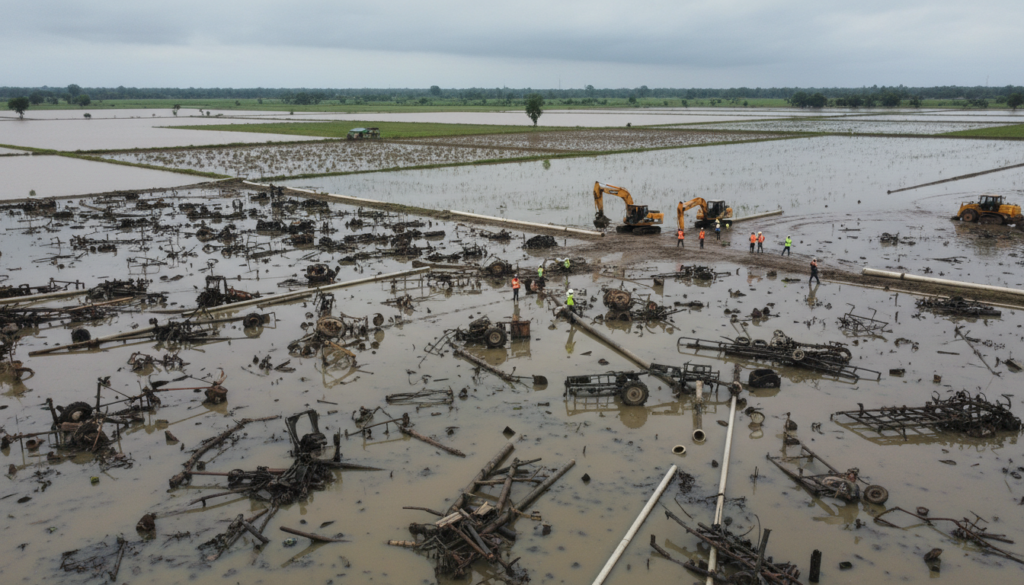
The agricultural sector suffered devastating losses estimated at $814 million. Floodwaters and landslides ruined vital crops.
Paddy fields, vegetable farms, and maize plantations were wiped out. Livestock and inland fisheries were also heavily impacted.
This devastation poses a direct threat to national food security. It also destroys the primary source of income for countless rural families.
The ruin of agricultural livelihoods pushes vulnerable communities deeper into hardship. Recovery for this sector will take many planting seasons.
Other major damage categories included residential buildings at $985 million, affecting nearly a million people‘s homes. Non-residential structures like schools and health facilities saw $562 million in damages.
The Central Province was the hardest-hit region. Within it, Kandy district alone absorbed an estimated $689 million in damage.
This concentrated loss highlights how the twin threats of flood and landslide ravaged the highlands. The financial assessments translate the visible destruction into a long-term recovery challenge.
The Human and Economic Toll on Livelihoods and Key Sectors
While infrastructure damage was severe, the true cost was measured in shattered livelihoods and heightened vulnerabilities. The event claimed at least 635 lives and impacted over two million people, with consequences rippling through critical economic sectors.
This assessment goes beyond financial figures. It examines how the disaster erased incomes, threatened national food security, and exposed deep-seated economic risks.
Tea Plantations in Ruins: Workers Displaced and Exports at Risk
The central highland districts, already scarred by landslides, witnessed the decimation of a national industry. Vast tea estates were uprooted, and roads connecting them were destroyed.
Thousands of plantation workers, like Sundaram Muttupillai, lost their homes and jobs overnight. They were forced into government relief shelters, their primary source of income gone.
The tea sector earns Sri Lanka about $1.3 billion annually in export revenue. Preliminary estimates predict a devastating output decline of up to 35%.
This drop threatens the country’s foreign earnings and its position in global markets. Experts warn the losses could force skilled workers to permanently leave the industry.
Such a migration would harm the economy for years. The scene in areas like Badulla and Kegalle shows how a natural event can cripple a key sector.
Compounding Vulnerabilities: Poverty, Debt, and Climate Risks
The storm’s impact was magnified by pre-existing weaknesses. Sri Lanka entered this crisis with high public debt, estimated at 99.5% of GDP.
Widespread poverty also made many communities less resilient. The World Bank highlighted the disproportionate effect on female-headed households and the poor.
Economist Dhananath Fernando noted the event exacerbates these vulnerabilities. It slows the national recovery and strains public finances further.
The International Monetary Fund was considering a $200 million top-up for emergency response. This underscores the severe fiscal pressure.
Analysts, including Omar Rajarathnam, compare the economic shock to the 2004 tsunami. They warn of supply chain disruptions leading to increased consumer prices for essential goods.
This creates a dual burden: rebuilding infrastructure while managing inflation. Access to affordable food and clean water becomes a greater risk for affected people.
Climate risks are now a central part of national planning. The event shows how environmental threats interact with economic fragility.
Long-Term Implications for Sri Lanka’s Recovery and Growth
The path to recovery is steep and complex. Rebuilding homes and services is just the first step.
Restoring agricultural crops and plantation economies will take multiple seasons. The loss of livelihoods may drive internal migration, depopulating some rural areas.
Debt sustainability is a major concern for future years. The need for massive reconstruction spending clashes with already high debt levels.
This situation could limit the government’s ability to invest in other vital services like health and education. Effective information sharing and planning are critical.
Building long-term resilience requires climate-adaptive infrastructure and social safety nets. The lessons from this cyclone must inform future policy.
The event known as Cyclone Ditwah was a stark reminder. True progress depends on protecting both people and the economic foundations of their communities.
Navigating the Aftermath: Response, Recovery, and Building Resilience
The shift from urgent response to long-term recovery defined the aftermath. National authorities, with the UN, coordinated emergency sectors like food, health, and water.
UNICEF provided clean water to cut-off areas. Neighbors like India sent relief teams. The World Bank mobilized funds for essential services.
Comprehensive assessments guide the next phase. Rebuilding needs will surpass the $4.1 billion in direct damage. The strategy must restore livelihoods and strengthen communities.
Building back better requires resilient infrastructure. It must withstand future climate risks. This approach protects vulnerable people and the national economy.
For Sri Lanka, the event is a stark lesson. Integrating disaster risk reduction into development planning is now critical for sustainable recovery.