The upcoming year represents a critical period for the nation. Key decisions on policy, global conditions, and internal development efforts will converge. This moment will shape the medium-term future for all citizens.
This analysis provides a comprehensive trend report. It examines four vital pillars: governance, the financial system, the travel sector, and the national sport. Each area faces unique tests and potential.
The goal is to offer a clear, objective understanding. Readers will see the opportunities and challenges defining the path forward. The report is grounded in available data and expert projections.
For instance, the economy‘s quest for growth and stability remains central. As noted in a recent economic outlook, the path involves significant reforms. International engagement and domestic policy consistency are crucial.
This synthesis aims to help everyday people comprehend complex national issues. It maintains a neutral, informative tone throughout.
Introduction: Sri Lanka at a Critical Juncture
Standing at a crossroads, the period ahead demands decisive action. The nation enters 2026 at a pivotal moment. Recent stabilization efforts face their most practical tests.
The foundation for long-term, inclusive growth must now be solidified. This transition from short-term recovery to sustainable development is the central task. It requires consistent policy implementation from the government.
The 2026 Milestone: Why This Year Matters
This specific year represents a crucial inflection point. Short-term economic gains must evolve into lasting progress. Key milestones will define the trajectory.
Managing the latter stages of the current International Monetary Fund program is vital. Preparing for upcoming debt repayments adds fiscal pressure. Advancing reforms in state-owned enterprises and governance is equally important.
These actions require sustained political will and social consensus. The country‘s ability to navigate these challenges will set its course for the next decade. As noted in a recent World Bank projection, continued reforms are linked to sustainable growth.
Scope of Analysis: Politics, Economy, Tourism, and Cricket
This analysis examines four interconnected sectors. They collectively define national stability, prosperity, and global image. Understanding their interplay is essential.
The political landscape sets the tone for policy continuity and institutional reform. It directly influences every other area. The economic outlook determines fiscal space and living standards for citizens.
The travel industry is a vital source of foreign exchange and employment. Its recovery is a key growth driver. Meanwhile, the sport of cricket serves as a powerful cultural unifier and potential economic engine.
Progress or setbacks in one sector invariably impact the others. This report provides a clear-eyed assessment based on current data and projections. It acknowledges forecasting uncertainty while outlining probable scenarios.
The goal is to offer a comprehensive view of the nation’s trajectory. This context helps both policymakers and everyday citizens understand the road ahead.
Political Landscape: The NPP Government’s Agenda and Challenges
The political arena this year is defined by a complex agenda balancing international commitments with domestic pressures. The ruling administration must deliver on promises of stability while tackling deep structural issues.
Its performance will hinge on managing competing demands. These range from strict fiscal discipline to fostering national unity. The path forward requires consistent policy and broad social consensus.
Continuity of IMF Programs and Economic Policy
A primary test for the government is its commitment to pragmatic economic management. Upholding the current International Monetary Fund program is central to this effort. Any significant deviation risks undermining hard-won financial stability.
The administration lacks significant fiscal space to operate independently. International support remains crucial in the short to medium term. This reality makes a potential follow-up IMF arrangement a likely necessity.
Abandoning these reforms could trigger a return to crisis conditions. Therefore, continuity in economic policy is not just a choice but a requirement. The government‘s credibility is tied to this pragmatic approach.
Reconciliation and Devolution of Power
Beyond economics, the administration faces profound social challenges. Fostering sustainable societal reconciliation is a fifth key task. This process is essential for lasting peace and national cohesion.
It involves establishing credible accountability and truth-seeking mechanisms. The government must build trust across communities. This is a delicate and long-term undertaking.
Regarding devolution, crafting a political consensus on regional autonomy is critical. The goal is to provide regions with greater self-governance. This must be done in a way that strengthens national unity.
Any proposal must assuage fears within the majority community. A successful agreement would mark a historic step. It requires skillful negotiation and inclusive dialogue.
Strengthening democracy and the rule of law is another core agenda item. This may involve reviewing specific legislation. For example, amending the Online Safety Act could be considered.
Ensuring an independent Public Prosecutor’s Office is also vital. These steps safeguard institutional progress. They protect civic space and judicial integrity.
Public trust in institutions is a cornerstone of political stability. The government will be judged on its ability to enhance this trust. Delivering a fair economic recovery is directly linked to this goal.
Failure to ensure equitable growth could lead to renewed social unrest. Public protests may re-emerge if living standards do not improve. Therefore, political calm hinges on tangible economic results.
Balancing these complex demands is the central challenge of this time. The administration’s policies must demonstrate both consistency and compassion. Its long-term success depends on this balance.
Economic Outlook: Growth Projections and Structural Constraints
Analysts project a phase of moderated growth, as the economy navigates a complex web of internal and external factors. The overall economic situation points toward stabilization. Yet, persistent structural issues limit the pace of development.
This period is best described as one of cautious recovery. The government faces the dual task of maintaining stability while implementing deeper reforms. The success of this effort will define the medium-term economic growth trajectory.
GDP Forecasts: World Bank, ADB, and Central Bank Estimates
Major financial institutions have released their growth projections for the country. These estimates provide a clear, if modest, picture of the coming year.
The World Bank projects economic growth slowing to 3.5 percent. The Asian Development Bank forecasts a similar 3.3 percent expansion. In contrast, the Central Bank holds a more optimistic view of 4 to 5 percent.
This divergence highlights the challenges of forecasting in a volatile context. International lenders often factor in global conditions and a cautious view on reform implementation. The local forecast may assume more robust domestic policies.
All projections, however, agree on one key point. The growth rates remain below the nation’s potential. They reflect underlying inefficiencies in factor and product markets.
Impact of Global Uncertainty and Cyclone Ditwah
Beyond these numbers, two major constraints loom large. The first is persistent global economic uncertainty. This can dampen export demand and foreign investment.
Such external shocks directly affect key sectors like manufacturing and services. A lack of robust external demand stifles the economic development needed for job creation.
The second constraint is vulnerability to climate events. The impact of Cyclone Ditwah serves as a recent example. Such disasters can cause severe damage to infrastructure and reduce agricultural output.
This strains fiscal resources as the government must fund repairs and relief. It also disrupts local industry and livelihoods. The economic situation becomes more fragile.
Understanding these projections and constraints is vital. It sets realistic expectations for income levels and public projects. The implications for everyday citizens are significant.
The path forward hinges on addressing these deep structural challenges. Only then can the current period of stabilization transition into sustained, inclusive growth.
Monetary Policy and Financial Sector Reforms
The nation’s financial architecture is poised for significant modernization through a dual-track strategy. This involves a fundamental shift in how monetary policy is conducted and a parallel upgrade to the banking and regulatory system.
These changes are central to maintaining hard-won economic stability. They aim to create a more predictable environment for businesses and protect citizens from volatile price swings.
Inflation Targeting Framework by the Central Bank
A cornerstone of this shift is the planned adoption of a formal flexible inflation-targeting framework. The central bank will aim to keep inflation around 5 percent.
This move seeks greater transparency and public accountability. Decisions will rely more heavily on economic data, moving towards a predictable approach for managing price stability.
Hitting the 5 percent target requires careful calibration. Officials must balance interest rates and liquidity management.
Global commodity price shifts and exchange rate volatility present ongoing challenges. The new framework is designed to navigate these pressures systematically.
Digitalization and Systemic Risk Oversight
Alongside monetary policy, a suite of financial sector reforms is planned. The goal is to build a more resilient and modern system.
Key focus areas include:
- Enhancing systemic risk oversight to prevent future crises.
- Integrating climate risk assessments into financial regulation.
- Bolstering consumer protection mechanisms for the public.
A major operational push will be the digitalization of payment systems. This initiative aims to boost financial inclusion across the country.
It should also reduce transaction costs and improve overall economic efficiency. Widespread digital adoption supports broader development goals.
These monetary and financial reforms, led by the central bank, are designed to support wider fiscal efforts. Close coordination with the government is essential for macroeconomic policy coherence.
Success in this area is critical for attracting investment. It provides a solid foundation for sustainable growth, aligning with the nation’s push for broader fiscal consolidation and reform-led growth.
Tourism Recovery: Scenarios for 2026 Arrivals
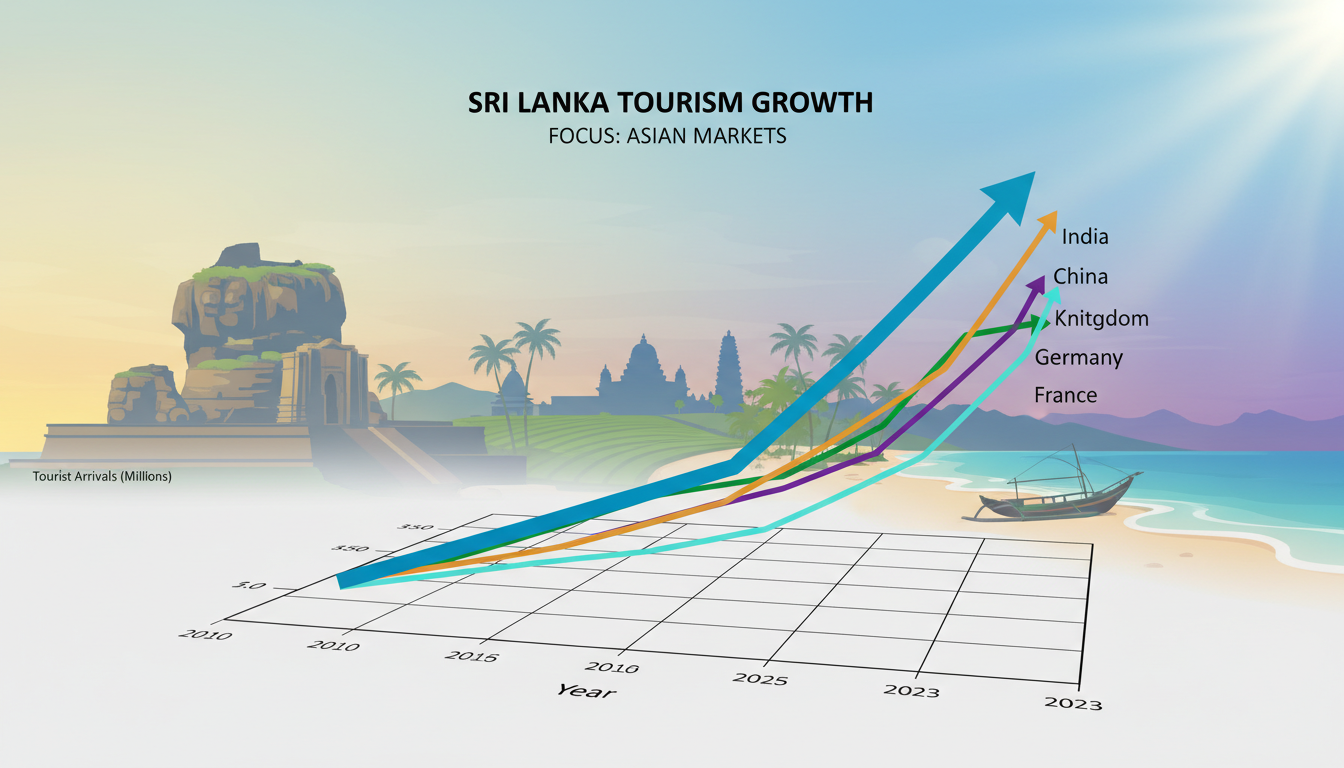
Forecasts for visitor numbers this year outline two distinct paths, reflecting both confidence and caution. The travel sector builds on a solid foundation, having recorded over 2.36 million arrivals in 2025. This figure surpassed the previous benchmark set in 2018.
Official projections now focus on the next phase of expansion. The coming months will test the industry’s resilience and strategic planning. Two primary scenarios define the expected range of outcomes.
Conservative Scenario: 2.5 Million Tourists
The conservative forecast anticipates approximately 2.55 million arrivals. This represents steady but cautious growth from the current base. It assumes a continuation of existing trends without major breakthroughs.
This scenario accounts for potential global economic softness. Competitive pressures in the regional travel market could also act as a headwind. The projection is grounded in current data and historical patterns.
It reflects a pragmatic view of the sector‘s near-term trajectory. Achieving this target would still signify positive development. It would maintain the recovery momentum established in recent years.
Optimistic Scenario: 3 Million Tourists
The optimistic target aims for around three million visitors. This outcome depends on successful execution of strategic initiatives. A favorable external environment would also provide crucial support.
Reaching this milestone would mark a significant leap in sector performance. It represents an ambitious but achievable goal for the industry. The variance between the two forecasts underscores the opportunities at hand.
This scenario is not guaranteed. It requires coordinated effort from both public and private stakeholders. The payoff, however, would be substantial for the broader economy.
Key Drivers: Air Connectivity and Market Diversification
Achieving either target hinges on several critical factors. Enhanced air connectivity sits at the top of the list. Increased direct flights and seat capacity are non-negotiable needs.
This involves securing more routes from both traditional and new source regions. Better aviation infrastructure supports higher passenger demand. It makes the destination more accessible and competitive.
Market diversification is equally vital for long-term sustainability. Reducing over-reliance on specific regions builds sector resilience. Strategic penetration into emerging markets is a key priority.
Focus areas include neighboring India and expanding Southeast Asia. Other supporting drivers include:
- Targeted digital marketing campaigns to boost visibility.
- Product diversification into niche areas like wellness tourism.
- Maintaining high standards of safety and service quality.
The variance between the two scenarios highlights the sector‘s sensitivity. Both internal policy support and external global conditions will shape the outcome. This makes the coming year one of focused effort for the entire tourism industry.
The path forward requires clear policies and strategic investments. Understanding this context helps businesses and planners prepare. The next phase of recovery is now within reach.
Global Economic Context and Implications for Sri Lankan Tourism
A slowdown in major Western economies contrasts with sustained growth in Asia, creating a pivotal moment for tourism planners. This global split presents a mixed picture for the destination’s travel sector. It introduces distinct challenges alongside clear opportunities.
The international economic environment is projected for modest expansion. Institutions like the IMF and World Bank forecast a period of slow worldwide growth. This context directly influences discretionary spending by travelers.
Slowdown in Traditional Source Markets
Tourists from advanced economy regions are a primary concern. Visitors from Europe, the United States, and Japan may become more cost-conscious. They could prioritize shorter-haul trips or stricter budgets.
This trend poses a significant challenge. It could dampen both arrival numbers and per-tourist spending. The industry becomes particularly sensitive to global conditions.
The strategic implications are clear. Value-for-money offerings and competitive pricing gain importance. Maintaining service quality while managing costs is a key task for businesses.
Opportunities in Emerging Markets like India and Southeast Asia
Conversely, demand from emerging markets shows resilience. Nations such as India and in Southeast Asia project stronger economic performance. This supports continued discretionary travel demand from these source regions.
Catering to these growth areas requires tailored strategies. Promotions should align with regional traveler preferences. Effective approaches include:
- Promoting cultural experiences and wellness tourism.
- Creating affordable short-haul package deals.
- Leveraging digital marketing for precise targeting.
Global trade frictions add an indirect risk layer. Geopolitical tensions can affect business travel segments. This includes Meetings, Incentives, Conferences, and Exhibitions (MICE) tourism.
The overall implications for the sector are profound. Future growth will depend heavily on diversifying the visitor base. Mitigating risks from slow-growing economies is essential.
Capitalizing on resilient demand from emerging regions is equally crucial. This makes strategic market penetration a necessity. It ensures the sector‘s stability and foreign exchange earnings.
Government policies and private industry support must align on this goal. Strategic adaptation is not merely an opportunity. It is the required path for long-term sustainability.
Cricket’s Evolution: From Colonial Sport to National Unifier
Few sports have mirrored a nation’s social transformation as closely as cricket has for this South Asian country. Its journey from a colonial pastime to a powerful symbol of unity defines a key cultural narrative.
This evolution reflects broader changes within Sri Lanka. The sport’s development provides a unique lens for analysis. Understanding this context is essential for grasping its modern role.
Historical Milestones and Test Status
The game was introduced by the British in the early 1800s. For a long period, it remained an elite activity centered on urban schools.
A pivotal growth moment arrived in 1981. Sri Lanka was admitted as the eighth official Test-playing nation. This granted the country full status in the international cricketing community.
Test status provided a structured pathway for professional development. It allowed the national team to compete at the highest level consistently. This milestone was a foundational project for the sport’s future.
Performance Metrics of the National Team
The competitive record of the men’s team showcases its journey. As of early 2026, the data reveals a seasoned competitor on the world stage.
The overall performance metrics are as follows:
- Test Matches: 327 (Won 107, Lost 127, Drawn 93)
- One-Day Internationals (ODIs): 943 (Won 435, Lost 461)
- T20 Internationals: 224 (Won 99, Lost 117)
These numbers represent over 600 wins across all formats. They reflect periods of significant strength and global challenge. The performance data tells a story of resilience.
The sport’s unifying power was cemented by a historic event. Victory in the 1996 ICC Cricket World Cup was a defining national moment. It brought the entire country together and projected Sri Lanka onto the global sports market.
Sustaining this growth required robust domestic infrastructure. A strong school cricket system and first-class tournaments became talent pipelines. These structures nurtured players from wider community backgrounds.
The sport’s governing body, Sri Lanka Cricket, manages this complex ecosystem. Its role involves overseeing national teams and domestic competitions. Strategic direction for the game’s development is a core responsibility.
This historical analysis is crucial. It frames cricket’s current economic and social role within Sri Lanka. The sport is now a source of national pride with untapped opportunities.
Future projects in sports infrastructure and events can leverage this legacy. Such development can support broader goals in tourism and the economy. The industry around the sport holds significant potential.
Looking ahead, this foundational context informs the next phase. The coming time will test how these cultural assets are harnessed for national benefit.
Spatial Inequalities in Cricket Infrastructure
The geographic distribution of cricket facilities across the island reveals a stark pattern of concentration and exclusion. This uneven access impacts talent development and limits the sport’s reach as a national unifier.
A critical analysis of the data shows where international stadiums are built. It highlights a significant challenge for the sport’s future growth.
Concentration in Colombo and Urban Centers
Major sporting infrastructure is heavily centered in the Western Province. This region is the nation’s economic and administrative capital.
It contributes 43.7% to the national economy. Despite this, it hosts five international stadiums. Other urban provinces like Central and Southern also have substantial facilities.
This creates an urban-centric model for player development. Young talent in Colombo has far greater access. The system reinforces a pathway focused on city schools and clubs.
The lack of top-tier venues elsewhere stifles local cricket ecosystems. It goes beyond stadiums to training academies and competitive grounds.
Underserved Northern and Eastern Provinces
Several provinces remain entirely without international cricket infrastructure. This is true even where they contribute to the country‘s economic performance.
The North Western Province generates 10.9% of GDP. It has no stadium facilities. This shows a clear disconnect in resource allocation.
The most underserved regions include:
- Northern Province (4.5% GDP contribution)
- Eastern Province (4.7% GDP contribution)
- North Central Province (4.8% GDP contribution)
- Sabaragamuwa (7% GDP contribution)
- Uva Province (4.7% GDP contribution)
These areas are entirely excluded from premier sporting projects. A vast pool of potential players may be overlooked. Local community engagement with the sport is limited.
Addressing this spatial imbalance is a question of inclusive development. It is key to social integration. The sport’s full national potential remains locked.
Strategic investment in regional infrastructure is a clear opportunity. It requires government support and planning.
Such projects could host domestic matches and international events. They would boost the local sports industry and market.
This period is a crucial time for decision-makers. The role of cricket as a unifier depends on fair access. Building facilities beyond the capital is a necessary step forward.
The Lanka Premier League: Commercial and Symbolic Impact
This tournament represents a strategic fusion of entertainment, sport, and economic development. The Lanka Premier League has emerged as a key commercial and symbolic initiative.
It is designed to boost the sport’s profile and generate crucial revenue streams. The league’s role extends beyond the cricket field into the national economy.
Boosting Global Visibility and Revenue
The primary commercial impact comes from its franchise-based T20 format. This model attracts international star players, broadcast deals, and major sponsorships.
It directly injects capital into the cricket industry. The league significantly boosts global visibility for the nation as a cricketing market.
It showcases local talent on an international stage. This keeps the country relevant in the fast-paced world of T20 leagues.
Symbolically, the LPL serves as a modern platform for national pride. It engages a younger demographic of fans both domestically and abroad.
Digital and broadcast media are key to this engagement. The league’s performance data shows growing viewer rates.
Integration with Tourism and Media
A key opportunity lies in deliberate integration with the tourism sector. The tournament can be positioned as a draw for international cricket fans.
This involves creating special tourism packages around LPL events. Leveraging the tournament in international destination marketing is effective.
Using its media reach promotes the nation’s broader attractions. The league also fosters linking capital.
This creates institutional connections between local cricket and global franchises. Investors and broadcasting networks become part of the ecosystem.
Such connections enhance the sport’s professional environment. They open new investment opportunities.
The sustained success of the LPL is vital for long-term viability. Strategic marketing will determine its commercial future.
It must contribute meaningfully to the cricket board’s finances. Alignment with the national tourism strategy is equally important.
Government support can help coordinate these projects. Building community engagement around matches is also crucial.
The league acts as a source of foreign exchange through visitor spending. It supports growth in related service sectors.
This analysis highlights the league’s multi-faceted role. Its impact is felt in sports, tourism, and economic development.
The coming time will test how well these elements are harnessed. Strategic investment and planning are required for maximum benefit.
Cricket Tourism: Untapped Potential for Economic Gain
Beyond the boundary rope, the game holds significant promise for diversifying the nation’s visitor economy. This niche represents a substantial, yet largely undeveloped, opportunity for direct economic gain.
The potential links directly to event scale, infrastructure readiness, and global media reach. Tapping into this market requires a focused analysis and strategic action.
Two key areas define this opportunity. The first is direct revenue from event-based travel. The second involves the valuable social benefits the sport fosters.
Event-Based Travel and Fan Engagement
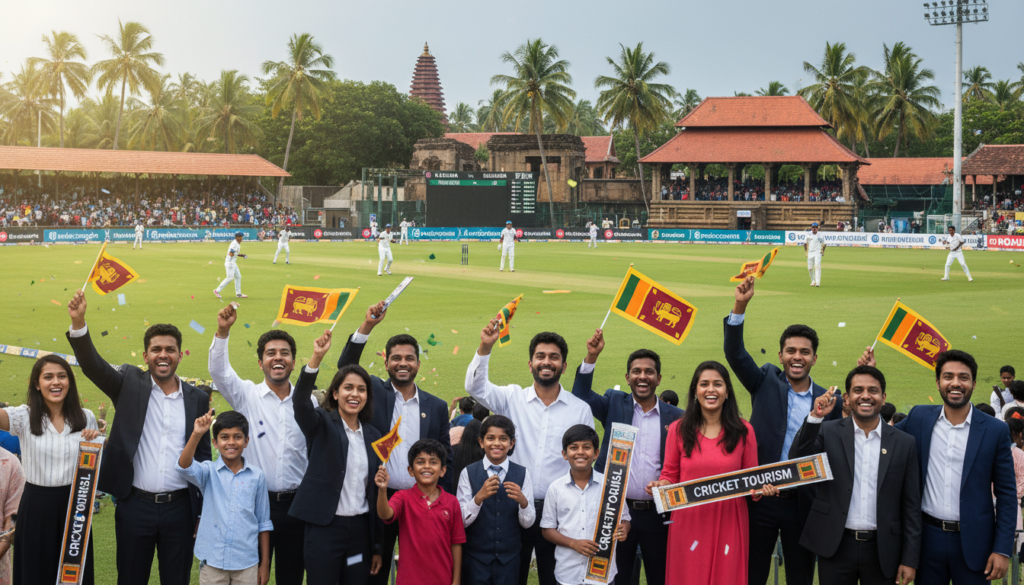
The most direct form is tourism centered on major cricket events. International fans travel specifically for series, tournaments like the LPL, or iconic Test matches.
This generates revenue far beyond ticket sales. It boosts airline bookings, hotel occupancy, local transport, and hospitality services.
The wider economy captures this spending. It provides a valuable stream of foreign exchange.
Current potential is constrained by several factors. Infrastructure readiness outside main urban stadiums is a challenge.
Marketing focus and the scheduling of internationally appealing events also play a role. A coordinated strategy can address this lack of development.
Social Capital Theory: Bonding, Bridging, and Linking
Beyond economics, cricket fosters valuable social capital. This framework explains the sport’s deeper community role.
Bonding social capital refers to strong ties within local fan groups and clubs. It strengthens local community identity and participation.
Bridging social capital connects different ethnic and provincial groups. Supporting the national team creates shared pride and unity.
This form of capital promotes social cohesion and cultural exchange. It is a powerful tool for national integration.
Linking social capital involves institutional connections. These are ties to global cricket bodies, investors, and media networks.
Such connections can attract investment and open new business opportunities. They enhance the professional performance of the sports industry.
The spillover effects are significant. They support broader community development and long-term sustainability.
Harnessing this full potential demands a coordinated strategy. Sri Lanka Cricket, the Tourism Development Authority, and the private sector must work together.
Key actions include packaging and marketing dedicated cricket tours. Improving fan facilities at venues is also crucial.
Creating seamless travel experiences will boost visitor satisfaction. This government support is vital for sectoral growth.
With strategic planning, cricket tourism can evolve. It can become a targeted, high-yield segment.
This would complement traditional leisure tourism in Sri Lanka. It diversifies the visitor base and strengthens the country’s brand as a premier sports destination.
The coming time presents a clear opportunity for this development. A focused effort can turn passion into prosperity.
Debt Repayment and Fiscal Challenges
Looking beyond the immediate horizon, a major fiscal test awaits the nation’s economic planners. Significant external debt repayments to official creditors are scheduled to begin around 2028.
This impending obligation makes the current period critically important. Sri Lanka must solidify economic growth, build foreign exchange reserves, and implement revenue-enhancing reforms. The government needs a multi-pronged strategy.
Aggressively expanding sources of foreign currency is essential. Key targets include tourism, exports, and foreign direct investment. All require a stable policy environment to attract capital.
Fiscal policy will face intense pressure. Authorities must maintain consolidation efforts, improve tax collection, and rationalize spending. This creates space for debt management without hurting social services.
The challenge links directly to other reforms. Continued losses from state-owned enterprises drain public resources needed for repayments. Success here supports overall stability.
Failure to achieve sufficient growth and export expansion carries serious implications. It risks a renewed balance of payments crisis. This would undermine all stabilization gains.
Therefore, the policy decisions and implementation in 2026 are decisive. They determine whether the nation navigates this next hurdle successfully. The path toward long-term sustainability depends on these efforts.