A new geopolitical storm is rattling world markets. Military actions in the Middle East have triggered a sharp climb in the cost of crude.
The benchmark Brent crude oil has surged past $119 a barrel. This is near its highest point since Russia’s full-scale invasion of Ukraine in 2022. Analysts warn it could approach $150 if a critical shipping route remains closed.
This event echoes past shocks. The current level is close to the record high of $147 set in July 2008. In 2022, after the war in Ukraine began, Brent spiked to $139 before easing.
The immediate cause is the US-Israeli military engagement with Iran. This has stoked deep fears over the security of global oil supply. The possible closure of the Strait of Hormuz is a major concern.
The situation has reignited alarm about worldwide inflation and economic stability. For import-dependent nations, like Sri Lanka, the impact can be severe and direct.
This is not a brief market swing. Experts see it as a crisis with potential for a prolonged effect on every economy. The following analysis will explore why this moment is different and what lies ahead.
Fuel Price Pressure Returns as Geopolitics Ignite a New Crisis
The direct exchange of strikes between Israel and Iran sent crude values on a wild ride. In a matter of days, the benchmark Brent crude oil contract shattered the $90 per barrel mark. It then plunged back toward $86.
This drastic seesawing was a pure reflection of market fear. Each new headline about military action triggered an immediate price reaction.
Analysts point to this volatility as a clear signal. A significant geopolitical risk premium is being repriced into world oil prices. The anxiety is not confined to one conflict.
Other actions are compounding the strain on global oil supply. The United States reinstated sanctions on Venezuela’s crude oil industry. Simultaneously, the US House passed a bill aiming to curb China’s purchases of Iranian oil.
These moves collectively tighten access to alternative sources of crude. They add another layer of pressure on an already nervous market.
The current trigger differs from the 2022 shock that followed Russia’s invasion of Ukraine. That event was largely about rerouting existing supply. The present crisis centers on a key physical chokepoint for world oil exports.
Governments are already considering responses. The White House has discussed potential summer releases from the US Strategic Petroleum Reserve. The goal would be to curb energy prices for consumers.
The tension is also flowing into natural gas markets. European benchmark gas prices firmed due to the same regional strikes. This shows how localized conflicts can ripple through the entire energy complex.
For nations like Sri Lanka, this uncertainty is a direct threat to macroeconomic stability. Rising import costs feed directly into inflation and hurt household budgets.
While geopolitics have lit the fuse, the potential explosion in the energy market could be uniquely severe. The next section explores why this moment presents a different kind of danger.
Why This Energy Shock Is Different: A Physical Chokepoint
Unlike previous disruptions, today’s crisis involves the physical sealing of a vital trade artery. The 2022 situation centered on financial sanctions and rerouting existing crude oil supplies. What the world faces now is a literal blockade.
This distinction creates a fundamentally more dangerous scenario. When ships cannot sail, production must stop at the source. The result is an immediate shortage that markets cannot easily fix.
The Strait of Hormuz Closure: A Supply Catastrophe
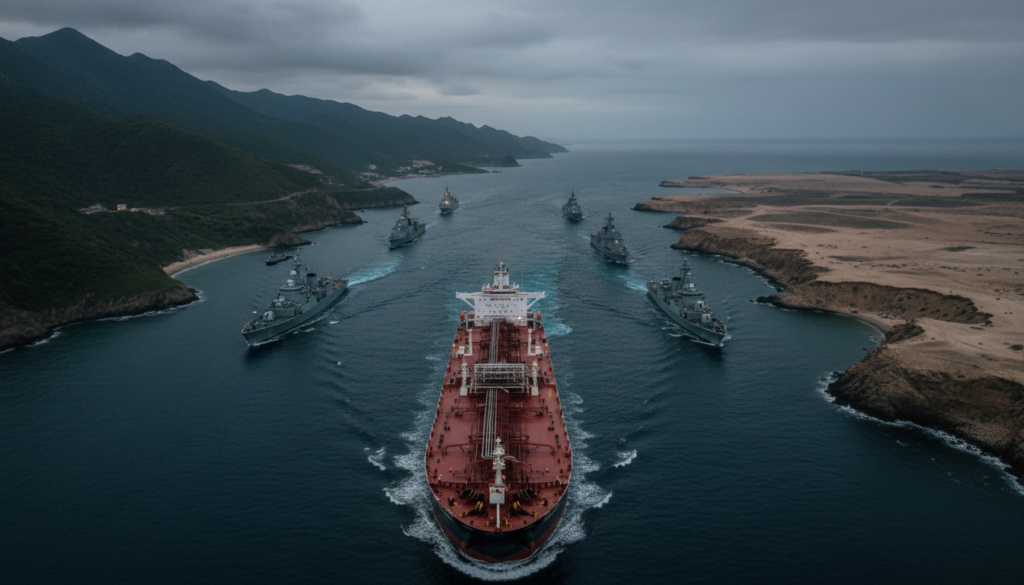
The International Energy Agency calls this the largest supply disruption in history. Daily flows through the Strait of Hormuz dropped from 20 million barrels to almost nothing. Major Gulf producers were forced to cut output by at least 10 million barrels per day.
This narrow waterway handles about 20% of all seaborne oil. Its closure traps resources at their origin. When storage tanks fill up, wells must be shut in.
The problem extends beyond crude. A huge portion of the world’s liquefied natural gas also travels this route. Some 112 billion cubic meters of LNG trade is now blocked.
This represents 20% of global LNG movement. The market for this critical heating and power energy source has no spare capacity to make up the difference.
Why Strategic Reserves and Rerouting May Not Save the Day
Governments have a standard playbook for oil shock events. They tap strategic petroleum reserves. The IEA coordinated a release of 400 million barrels.
Yet this effort faces severe logistics challenges. Moving that much crude from inland storage sites takes time. It also requires secure shipping routes and available tankers.
Alternative land-based pipelines offer limited relief. Routes bypassing the Strait have spare capacity of just 3.5 to 5.5 million barrels daily. This replaces only a fraction of the lost flow.
The situation for natural gas is even tighter. The Dolphin pipeline from Qatar has little extra room. LNG terminals cannot handle sudden increases in flow.
Global LNG production is already running at full tilt. There is simply no quick way to replace what the blocked Strait provided.
This physical outage cannot be solved by policy adjustments alone. The world faces a prolonged period where demand must fall to meet the reduced supply. For import-reliant nations, this means sustained high costs.
The Direct Impact on Sri Lankan Consumers and the Economy
For the average Sri Lankan, the abstract numbers on a screen translate into concrete hardships at the local filling station and market. The international surge in oil prices is not a distant event. It lands directly on household budgets and business balance sheets across the island.
This external shock tests the nation’s fragile economic recovery. It introduces new uncertainty for families and companies alike.
Immediate Pain at the Pump and for Household Budgets
The most visible effect is at the petrol shed. Retail fuel costs are set to climb. This raises expenses for private vehicles, buses, and three-wheelers.
Public transport fares may increase. The cost of moving people and goods goes up instantly.
Higher energy costs for electricity generation threaten another blow. Utility bills could rise, cutting further into disposable income.
Families then have less money for essentials like food, education, and healthcare. This leads to an indirect contraction in household spending.
The inflationary spiral is a major concern. Transport price hikes ripple through the economy.
They raise the costs of bringing all goods to market. Everything from vegetables to medicine becomes more expensive.
Business Under Pressure: From Logistics to Manufacturing
The corporate sector feels the squeeze immediately. Logistics and transport companies face soaring diesel costs. Their profit margins can collapse under the weight of higher operating expenses.
Manufacturing faces acute pressure. Industries that use a lot of energy are hit first.
This includes cement, steel, and fertilizer producers. Their raw material and power bills jump.
Factories reliant on imported petrochemical feedstocks also suffer. They may be forced to cut production or raise their own prices.
The tourism and aviation sectors are vulnerable. Higher jet fuel prices increase airline operating costs.
This can lead to more expensive air tickets. It may dampen international travel demand to Sri Lanka.
A New Threat to Macroeconomic Stability
The broader economic consequences are severe. A higher import bill for crude oil and petroleum products puts fresh strain on the Sri Lankan rupee.
The country’s trade deficit could widen again. This threatens the currency stability hard-won in recent months.
Central bankers face a difficult choice. They must balance controlling imported inflation with supporting fragile economic growth.
Just as borrowing rates were stabilizing, new concerns about inflation may emerge. This complicates the monetary policy outlook.
The shock comes at a delicate time. It risks damaging consumer confidence and business investment.
This external event poses a significant setback to stability efforts. It underscores the challenges outlined in Sri Lanka’s economic outlook for the year ahead.
Sustained high energy prices could slow overall economic activity. For a nation heavily reliant on imports, this impact is both direct and profound.
Navigating a Prolonged Era of High-Cost Energy
Navigating the coming months requires a clear view of lasting changes to the energy landscape. Persistently high oil prices will trigger “demand destruction.” This is where consumers and industries permanently cut back usage.
Such a slowdown acts as a direct brake on worldwide economic growth. For import-reliant nations, a swift return to cheap energy is unlikely.
This crisis accelerates the global focus on energy security and diversification. However, many governments have limited room for expensive new support schemes.
The severity of the situation hinges on one primary factor. It is the duration of the Strait of Hormuz closure. The world must prepare for a prolonged period of adjustment to higher costs.